Portuguese Azulejo Tiles Seamless Pattern: Strategic Use for Design and Branding
The Portuguese azulejo tile, with its rich history and intricate design, has evolved into a versatile element in modern design. When adapted into seamless patterns, these tiles offer a unique blend of traditional artistry and contemporary functionality. The Portuguese Azulejo Tiles Seamless Pattern is more than just an aesthetic choice—it's a strategic tool that can enhance branding, product packaging, and creative projects across various industries.
Understanding the Portuguese Azulejo Tiles Seamless Pattern
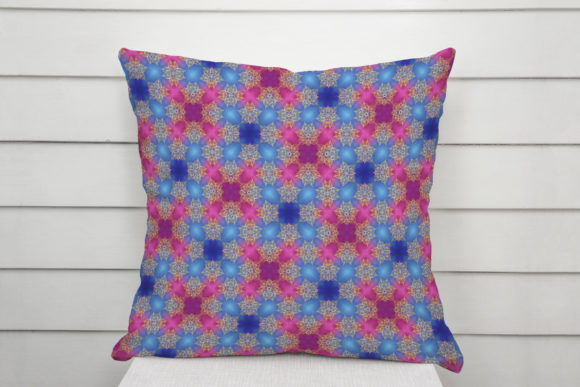
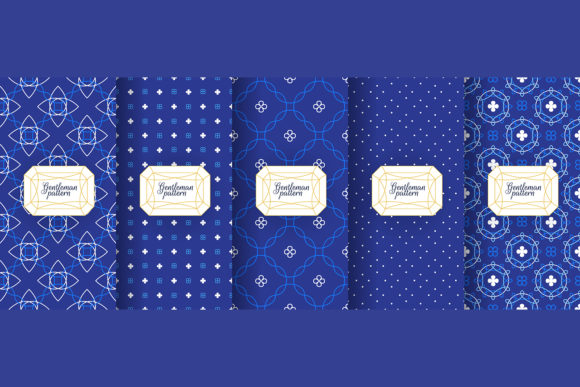
The Portuguese Azulejo Tiles Seamless Pattern draws from centuries-old craftsmanship, where hand-painted ceramic tiles were used to decorate churches, palaces, and homes throughout Portugal. Today, this pattern is reimagined in digital formats, allowing for seamless repetition without visible seams or breaks. This makes it ideal for applications such as packaging cosmetics, ceramics, T-shirt designs, and even patchwork mosaics.
Unlike traditional azulejos, which are often limited by their physical form, the seamless version offers flexibility. It can be scaled up or down, printed on different materials, and adapted to various color palettes. This adaptability allows designers to maintain the authenticity of the original style while tailoring it to modern needs.
Strategic Benefits of Using Portuguese Azulejo Tiles Seamless Pattern
Incorporating the Portuguese Azulejo Tiles Seamless Pattern into your design strategy can yield multiple benefits. Here’s how it supports key areas like branding, product development, and customer engagement:
- Brand Identity: The historical and cultural depth of the azulejo pattern can help establish a brand as sophisticated, timeless, and rooted in tradition. This is particularly effective for businesses aiming to evoke a sense of heritage or luxury.
- Product Packaging: In the cosmetics industry, for example, using the Portuguese Azulejo Tiles Seamless Pattern on packaging can differentiate a product from competitors and create a memorable visual identity.
- Creative Projects: For T-shirt designs or patchwork mosaics, the pattern provides a rich source of inspiration that can be customized to suit various themes—whether it's Oriental motifs, Moroccan designs, or geometric shapes.
By choosing this pattern intentionally, you're not just selecting a visual element—you're making a strategic decision that aligns with your brand's values, target audience, and market positioning.
When and How to Use Portuguese Azulejo Tiles Seamless Pattern
Knowing when to use the Portuguese Azulejo Tiles Seamless Pattern is crucial for maximizing its impact. Consider the following scenarios:
- For Cultural Branding: If your business is targeting markets with a strong appreciation for European or Iberian culture, this pattern can serve as a powerful storytelling tool.
- In High-End Product Lines: Luxury brands may find that the intricate details of the Portuguese Azulejo Tiles Seamless Pattern elevate the perceived value of their products.
- For Artistic Collaborations: Artists and designers working on cross-cultural projects can leverage this pattern to bridge traditional and modern aesthetics.
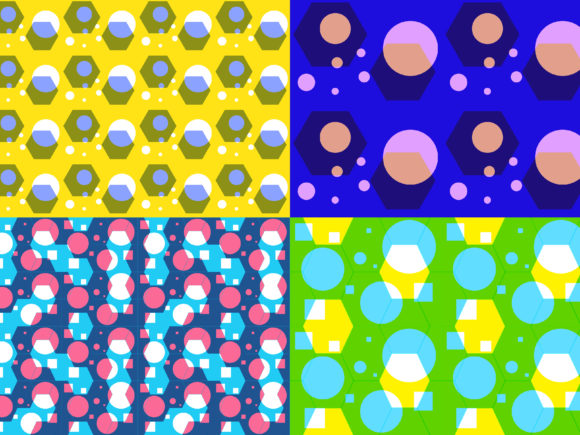
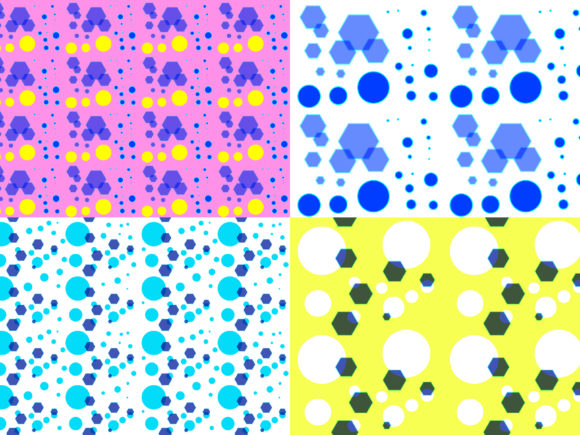
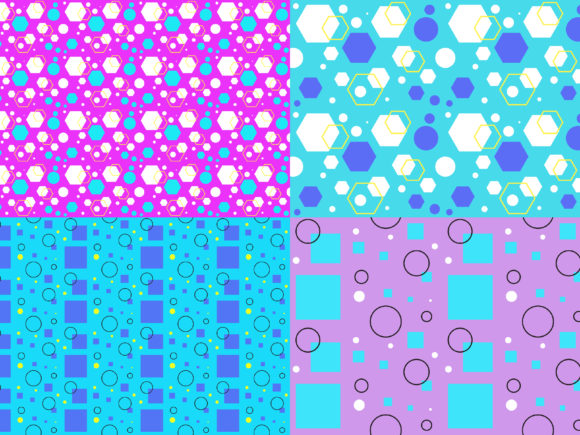
To approach the use of this pattern effectively, start by defining your goals. Are you aiming to create a nostalgic feel? Or do you want to stand out in a crowded marketplace? Once your objectives are clear, choose the right variations of the pattern—such as geometric motifs or oriental-inspired designs—that align with those goals.
Planning Tips for Effective Implementation
Using the Portuguese Azulejo Tiles Seamless Pattern requires careful planning to ensure it complements your overall design strategy. Here are some practical tips:
- Research Context: Understand the cultural significance of the pattern in the regions you're targeting. This helps avoid misinterpretation or unintended associations.
- Test Variations: Experiment with different color schemes and layouts before finalizing your design. A subtle blue-and-white palette may work well for minimalist branding, while bolder colors could be more suitable for artistic prints.
- Ensure Scalability: Confirm that the pattern works at various sizes and resolutions. This is especially important if it will be used for both print and digital media.
Additionally, consider how the pattern interacts with other design elements. Will it clash with your logo or typography? Ensuring harmony between all visual components is essential for a cohesive look.
Potential Risks and Considerations
While the Portuguese Azulejo Tiles Seamless Pattern offers many advantages, there are potential risks to be aware of. One major concern is overuse or misuse. Applying the pattern without a clear purpose can dilute its impact and lead to a cluttered or confusing visual experience.
Another risk is the possibility of cultural insensitivity. Since the pattern has deep roots in Portuguese history, it's important to respect its origins and avoid using it in ways that could be seen as exploitative or disrespectful.
To mitigate these risks, always conduct thorough research and consult with experts if necessary. Ensure that your use of the pattern is informed, respectful, and aligned with your brand’s values.
Intentional Use: Making Better Decisions with Portuguese Azulejo Tiles Seamless Pattern
Successful implementation of the Portuguese Azulejo Tiles Seamless Pattern depends on intentional use. Rather than applying it randomly, take time to evaluate how it contributes to your overall design and marketing strategy.
Ask yourself: Does this pattern support my brand message? Is it appropriate for my target audience? Will it enhance or detract from the user experience?
By answering these questions, you can make more informed decisions that lead to better results. Whether you're designing packaging for a new line of cosmetics or creating a collection of T-shirts, the Portuguese Azulejo Tiles Seamless Pattern can be a valuable asset when used thoughtfully.
In conclusion, the Portuguese Azulejo Tiles Seamless Pattern is more than just a decorative element. It's a strategic design choice that can enhance branding, product appeal, and creative expression. By understanding its potential and using it wisely, you can achieve meaningful outcomes that align with your long-term goals.