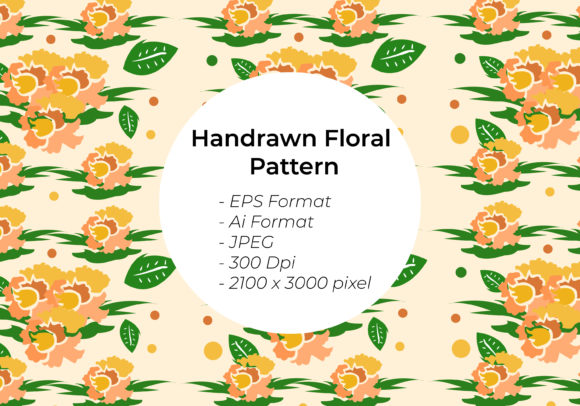
Handrawn Floral Pattern Background for Creative Projects
The Handrawn Floral Pattern Background is a versatile design asset that adds elegance and visual interest to a wide range of creative works. Whether you're designing a book cover, creating a digital wallpaper, or producing a poster, this type of pattern offers a unique blend of artistry and functionality. Unlike generic stock graphics, hand-drawn floral patterns bring a personal touch that can elevate the aesthetic of any project.
This article explores how to integrate a Handrawn Floral Pattern Background into your workflow, focusing on practical use cases, file formats, and implementation strategies. We'll also look at how it interacts with other tools and resources, ensuring seamless integration into your creative process.
Understanding Handrawn Floral Patterns
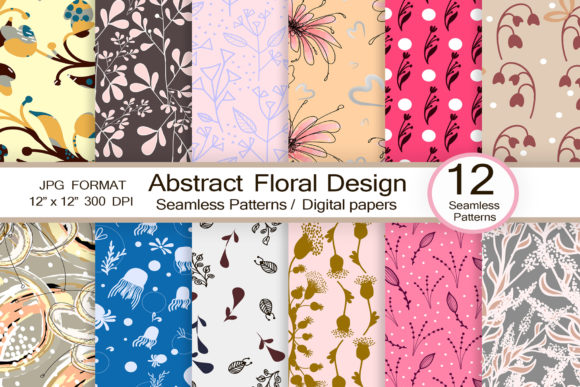
A Handrawn Floral Pattern Background is created by an artist using traditional or digital drawing techniques. These patterns often feature intricate details, soft curves, and natural textures that reflect the beauty of real flowers. They are typically designed in high resolution, such as 300 DPI, making them suitable for both print and digital applications.
Such patterns are commonly used in graphic design, branding, packaging, and interior design. Their versatility allows them to be adapted to various styles—from minimalist to ornate—depending on the context and purpose of the project.
File Formats and Technical Specifications
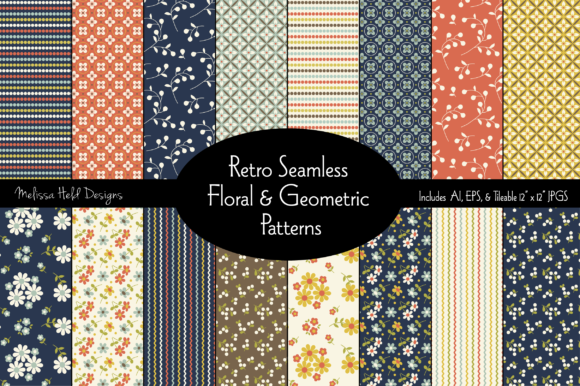
When working with a Handrawn Floral Pattern Background, it's important to consider the file format and technical specifications. The most common file types include AI (Adobe Illustrator), EPS (Encapsulated PostScript), and JPEG. Each format has its own advantages:
- AI: Ideal for editing and scaling without loss of quality. It's best suited for vector-based projects.
- EPS: Offers compatibility across different design platforms and maintains vector quality.
- JPEG: Perfect for web use or when the background needs to be embedded in a photo-realistic image.
The standard dimensions for these files are usually 2100 x 3000 pixels, which ensures clarity and detail when printed or displayed digitally. The color mode should be set to RGB for digital use and CMYK for print, depending on the final output.
Integrating into Design Workflows
Integrating a Handrawn Floral Pattern Background into your design workflow requires careful planning. Here are some practical steps to ensure smooth implementation:
- Preparation: Before starting a project, determine the intended use of the pattern. Will it be for print or digital media? What size will the final product be?
- Compatibility Check: Ensure the pattern file is compatible with your design software. If using Adobe Illustrator, an AI or EPS file would be ideal.
- Layer Management: When applying the pattern, place it on a separate layer to maintain flexibility during edits. This allows you to adjust transparency, position, or even replace the pattern if needed.
- Color Coordination: Choose colors that complement the overall design. A Handrawn Floral Pattern Background can act as a subtle accent or a bold statement, depending on the color palette.
- Quality Control: Always preview the design at the intended size to check for clarity and detail. Avoid overusing the pattern to prevent visual clutter.
Use Cases and Implementation Examples
A Handrawn Floral Pattern Background can be applied in multiple contexts, each requiring a slightly different approach:
- Book Covers: Use the pattern as a base for the cover design. It can help create a sense of elegance and sophistication, especially for books related to nature, fashion, or lifestyle.
- Wallpapers: Digital wallpapers benefit from the softness and flow of hand-drawn patterns. They add a decorative element to screens while maintaining usability.
- Posters: Incorporate the pattern into the background of posters to enhance visual appeal. It can be paired with text or images to create a cohesive design.
- Stationery and Packaging: Use the pattern for greeting cards, calendars, or product packaging. Its organic feel makes it ideal for eco-friendly or artisanal brands.
In each case, the key is to balance the pattern with other design elements. Overuse can lead to a busy or distracting layout, so it's essential to maintain a clean and organized composition.
Workflow Integration and Collaboration
When working with a Handrawn Floral Pattern Background, it's important to consider how it fits into the broader workflow. For instance, if collaborating with other designers or clients, provide clear guidelines on how the pattern should be used. This includes specifying file formats, resolution requirements, and color modes.
Additionally, consider the long-term use of the pattern. High-quality assets like AI or EPS files allow for future modifications or adaptations. This is particularly useful if the design needs to be updated or resized later on.
Final Tips for Effective Use
To get the most out of a Handrawn Floral Pattern Background, keep these tips in mind:
- Experiment with Transparency: Adjusting the opacity of the pattern can help it blend seamlessly with other design elements.
- Combine with Textures: Pair the pattern with subtle textures like paper or fabric to add depth and dimension.
- Test Across Devices: Ensure the pattern looks good on different screen sizes and resolutions, especially if it's being used for digital media.
- Stay Organized: Keep all design assets in a well-structured folder system. This helps streamline the workflow and makes it easier to locate specific files when needed.
By following these guidelines, you can effectively integrate a Handrawn Floral Pattern Background into your creative projects, enhancing their visual appeal while maintaining professionalism and quality.