Botanical Digital Papers: A Creative Resource for Modern Designers and Creators
In the evolving world of digital design, creators are constantly seeking high-quality, versatile assets that can elevate their projects. One such resource gaining attention is Botanical Digital Papers, a collection of seamless patterns inspired by nature’s intricate beauty. These designs are not only visually appealing but also highly functional for a wide range of creative applications. Whether you're designing invitations, crafting digital scrapbooks, or working on graphic design projects, Botanical Digital Papers offer a unique blend of aesthetics and utility.
Understanding Botanical Digital Papers
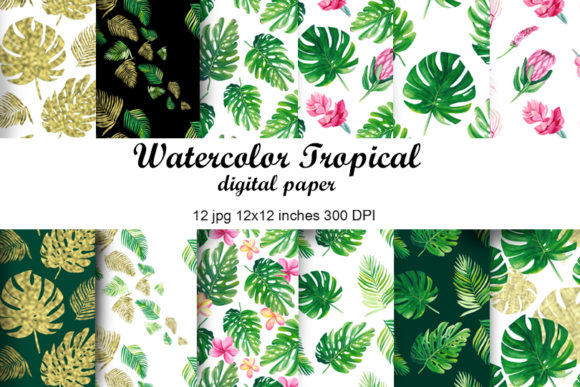
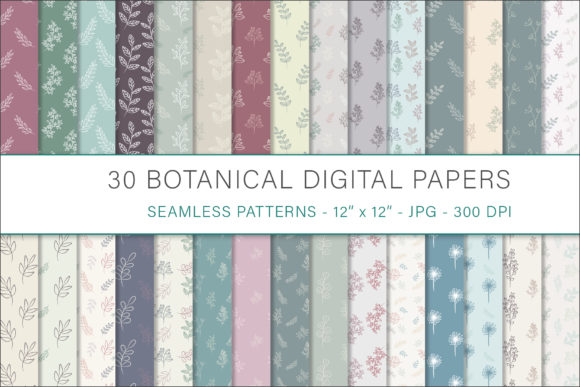
Botanical Digital Papers refers to a set of digital textures and patterns that mimic the natural world—leaves, flowers, vines, and other botanical elements. These designs are crafted with precision and artistry, ensuring they are both realistic and stylized. The Botanical Digital Papers Seamless Patterns set includes 30 images, each measuring 12 x 12 inches, in JPEG format with a resolution of 300dpi. This ensures sharpness and clarity, making them ideal for print and digital use alike.
The key feature of this collection is its seamless repetition. Each pattern is designed so that it can be tiled without visible seams or breaks. This makes it easy to scale up the design to any size, whether you need a small card or a large poster. The ability to tile seamlessly opens up endless possibilities for designers, allowing them to create cohesive backgrounds, textures, and visual elements that adapt to various formats and needs.
The Role of Botanical Themes in Contemporary Design
Nature-inspired designs have been a staple in creative industries for decades. However, in recent years, there has been a resurgence of interest in botanical themes across multiple sectors. From fashion and interior design to web development and branding, the influence of nature is more pronounced than ever. This trend reflects a broader cultural shift toward sustainability, mindfulness, and a desire for organic, authentic experiences.
For professionals and entrepreneurs, leveraging botanical motifs can be a strategic move. It aligns with current consumer preferences for eco-friendly and nature-centric products. In marketing and branding, these elements can evoke trust, calm, and a sense of connection with the environment. As such, incorporating Botanical Digital Papers into your work can help you tap into this growing demand while adding a touch of elegance and originality to your designs.
Why Are Botanical Digital Papers Gaining Popularity?
Several factors contribute to the rising popularity of Botanical Digital Papers among creators and professionals. First, the versatility of these patterns allows them to be used in a variety of contexts—from digital scrapbooking and invitation design to packaging and website backgrounds. Their seamless nature means they can be applied without interruption, offering a clean and professional look.
Second, the increasing availability of digital tools and platforms has made it easier for creatives to access and use such resources. With Botanical Digital Papers, users can quickly apply these designs to their projects without the need for complex editing or layering. This efficiency is especially valuable for freelancers and entrepreneurs who need to deliver high-quality work within tight deadlines.
Third, the aesthetic appeal of botanical patterns is hard to ignore. They bring a sense of warmth, life, and sophistication to any design. In an era where minimalism and flat design dominate, botanical patterns provide a refreshing contrast. They add depth, texture, and a natural element that can make a project stand out in a crowded market.
Practical Applications of Botanical Digital Papers
The uses for Botanical Digital Papers are as diverse as the creative fields they serve. Here are some practical examples of how these patterns can be integrated into different types of projects:
- Digital Scrapbooking: Use the seamless patterns as backgrounds for photo layouts, journal pages, or memory albums. The repeating nature of the patterns allows for continuous coverage without visible edges.
- Invitations and Cards: Add a subtle botanical texture to wedding invitations, birthday cards, or event programs. This enhances the overall design while maintaining a cohesive look.
- Graphic Design: Incorporate these patterns into logos, banners, or social media graphics. They can be used as overlays or as part of a larger composition to add visual interest.
- Decopage and Mixed Media: Print the patterns on paper or fabric and use them as decorative elements in decopage projects. Their high-resolution quality ensures they remain crisp even when layered with other materials.
- Website and App Design: Create engaging backgrounds or buttons using botanical patterns. These elements can enhance user experience by adding a touch of nature to digital interfaces.
By exploring these applications, it becomes clear that Botanical Digital Papers are not just a passing trend—they are a valuable asset for anyone involved in creative or digital work.
Trends Shaping the Demand for Botanical Digital Papers
The growing interest in Botanical Digital Papers is closely tied to several industry and lifestyle trends. For one, the rise of remote work and digital collaboration has increased the need for high-quality, adaptable design resources. Freelancers and entrepreneurs often rely on digital assets to create professional-looking materials quickly and efficiently.
Additionally, the push for sustainability in business and consumer behavior has led to a greater appreciation for natural and organic elements. Brands that incorporate eco-conscious visuals into their marketing often see a positive response from environmentally aware audiences. Botanical Digital Papers fit perfectly into this context, offering a way to convey eco-friendliness through design without the need for physical materials.
Another influencing factor is the increasing use of AI and automation in creative workflows. While technology continues to streamline many aspects of design, there remains a strong demand for human-created, hand-crafted elements. Botanical patterns, with their natural imperfections and artistic flair, represent this balance between technology and tradition.
Connecting Botanical Design to Broader Developments
The relevance of Botanical Digital Papers extends beyond individual design projects. They reflect a broader movement toward biophilic design—a concept that emphasizes the integration of nature into built environments. This approach is being adopted in architecture, urban planning, and even office spaces, highlighting the importance of connecting people with the natural world.
In the digital realm, this principle translates to creating immersive, nature-inspired experiences. Whether it's a website that mimics the feel of a forest or a mobile app that incorporates botanical elements, the goal is to foster a sense of tranquility and engagement. Botanical Digital Papers play a role in achieving this by providing the visual foundation for such experiences.
Moreover, as virtual reality (VR) and augmented reality (AR) technologies continue to evolve, the demand for high-resolution, natural textures will only grow. Botanical Digital Papers can serve as a base for more complex 3D models or interactive environments, further expanding their potential use cases.
Conclusion
Botanical Digital Papers represent a powerful intersection of art, technology, and practical design. Their seamless patterns, high resolution, and versatility make them an essential tool for professionals and creators across various industries. As the demand for nature-inspired visuals continues to rise, these papers offer a way to stay ahead of the curve while delivering beautiful, meaningful designs.
Whether you're a marketer looking to enhance your brand's visual identity, a designer seeking new creative inspiration, or an entrepreneur building a product that connects with nature, Botanical Digital Papers provide a valuable resource. By integrating these patterns into your workflow, you can create designs that are not only visually striking but also aligned with current trends and consumer expectations.